

Type 2 Diabetes Treatment in Tampa
Type 2 Diabetes is a chronic metabolic condition that affects how your body processes blood sugar, but with expert medical management, you can live a full, healthy life. At Premier Internal Medicine, we provide comprehensive diabetes care that combines evidence-based treatment, lifestyle coaching, and ongoing support to help you achieve optimal blood sugar control and prevent complications.
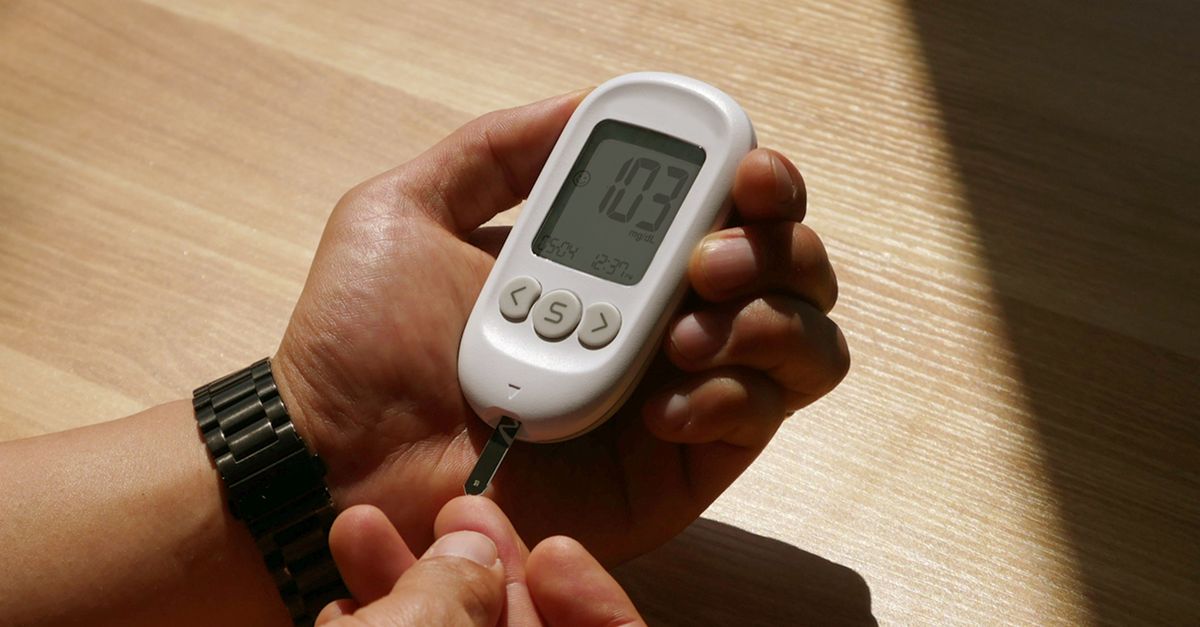
Understanding Type 2 Diabetes
Type 2 Diabetes is a metabolic disorder characterized by insulin resistance and elevated blood glucose levels. Unlike Type 1 Diabetes, where the pancreas produces little or no insulin, Type 2 Diabetes develops when the body becomes resistant to insulin's effects or when the pancreas cannot produce enough insulin to maintain normal glucose levels. This condition affects approximately 37 million Americans, with Florida ranking among the states with the highest prevalence. Left unmanaged, Type 2 Diabetes can lead to serious complications including heart disease, kidney failure, nerve damage, vision loss, and circulation problems that may result in amputation. The impact extends beyond physical health—many patients experience fatigue, mood changes, difficulty concentrating, and reduced quality of life as blood sugar fluctuations affect daily functioning.
The development of Type 2 Diabetes involves multiple contributing factors, though obesity and physical inactivity are the most significant modifiable risk factors. Excess body fat, particularly around the abdomen, increases insulin resistance and inflammation. Other important risk factors include advancing age (risk increases after 45), family history of diabetes, previous gestational diabetes, prediabetes, polycystic ovary syndrome (PCOS), high blood pressure, abnormal cholesterol levels, and certain ethnic backgrounds (African American, Hispanic/Latino, Native American, Asian American, and Pacific Islander populations face higher risk). Poor dietary habits characterized by high consumption of processed foods, refined carbohydrates, and sugary beverages significantly contribute to disease development. Additionally, sleep disorders, chronic stress, and certain medications can increase diabetes risk. Understanding these risk factors allows for targeted intervention and prevention strategies.
Professional medical treatment for Type 2 Diabetes is essential because this is a progressive disease that requires expert management to prevent life-threatening complications. While lifestyle modifications form the foundation of treatment, most patients require medication to achieve target blood glucose levels and reduce cardiovascular risk. An experienced internal medicine physician can create a personalized treatment plan that addresses your unique metabolic profile, comorbid conditions, lifestyle factors, and treatment goals. Regular monitoring allows for medication adjustments before complications develop, screening for diabetic complications enables early intervention, and ongoing education empowers you to make informed decisions about your health. Without professional guidance, patients risk inadequate blood sugar control, medication side effects, dangerous hypoglycemic episodes, and progression of diabetic complications. Our comprehensive approach combines pharmacological management, nutritional counseling, exercise prescription, and psychosocial support to optimize both your metabolic health and quality of life.
Signs & Symptoms of Type 2 Diabetes
- Increased Thirst (Polydipsia): Persistent, excessive thirst that isn't relieved by normal fluid intake, caused by high blood sugar drawing water from tissues.
- Frequent Urination (Polyuria): Needing to urinate more often than usual, especially at night, as the kidneys work to eliminate excess glucose through urine.
- Increased Hunger (Polyphagia): Feeling hungry shortly after eating, resulting from cells not receiving adequate glucose despite high blood sugar levels.
- Unexplained Weight Loss or Gain: Losing weight despite eating more (early stages) or gaining weight due to insulin resistance and metabolic dysfunction.
- Persistent Fatigue: Chronic tiredness and lack of energy that doesn't improve with rest, caused by cells being unable to efficiently use glucose for energy.
- Blurred Vision: Changes in vision clarity as high blood sugar causes the lens of the eye to swell, affecting your ability to focus properly.
- Brain Fog & Difficulty Concentrating: Mental cloudiness, memory problems, and reduced cognitive function resulting from blood sugar fluctuations affecting brain metabolism.
- Slow-Healing Wounds: Cuts, bruises, and sores that take longer than normal to heal due to impaired circulation and immune function from elevated blood sugar.
- Frequent Infections: Recurrent urinary tract infections, yeast infections, or skin infections as high glucose levels create an environment where bacteria and fungi thrive.
- Tingling or Numbness: Neuropathy symptoms in hands and feet, including numbness, tingling, burning sensations, or pain caused by nerve damage from prolonged high blood sugar.
- Darkened Skin Patches (Acanthosis Nigricans): Dark, velvety patches of skin in body folds and creases, particularly the neck, armpits, and groin, indicating insulin resistance.
- Dry, Itchy Skin: Chronic skin dryness and itching resulting from dehydration, poor circulation, and nerve damage associated with elevated blood glucose.
- Sexual Dysfunction: Erectile dysfunction in men or reduced sexual desire and vaginal dryness in women, caused by nerve damage and reduced blood flow.
- Irritability & Mood Changes: Mood swings, irritability, anxiety, or depression related to blood sugar fluctuations and the stress of managing a chronic condition.
What to Expect
- Comprehensive assessment including detailed medical history, physical examination, and laboratory testing to understand your complete metabolic profile
- Personalized treatment plans that combine evidence-based medications, nutritional guidance, and physical activity prescriptions tailored to your needs
- Regular monitoring with quarterly A1C testing and annual comprehensive screening for diabetic complications
- Access to the latest diabetes medications including GLP-1 agonists and SGLT2 inhibitors for optimal glucose control and cardiovascular protection
- Convenient telehealth appointments available for follow-up visits, medication adjustments, and glucose monitoring review
- Ongoing education and support to empower you to make informed decisions about your health and successfully manage your condition
How We Treat Type 2 Diabetes
Our comprehensive diabetes management program combines evidence-based medical treatment with lifestyle intervention and ongoing support to help you achieve optimal blood sugar control and prevent complications.
Comprehensive Assessment
Your treatment begins with a thorough evaluation including detailed medical history, physical examination, and comprehensive laboratory testing. We measure fasting glucose, hemoglobin A1C, lipid panel, kidney function, liver enzymes, and thyroid function to understand your complete metabolic profile. We also assess for diabetic complications through screening for retinopathy, neuropathy, and cardiovascular disease, ensuring we identify and address all aspects of your health.
Personalized Treatment Plan
Based on your assessment, we develop an individualized treatment strategy tailored to your specific metabolic needs, comorbid conditions, lifestyle factors, and personal goals. Your plan includes specific medication recommendations with clear dosing instructions, detailed nutritional guidance tailored to your preferences and cultural background, and a structured physical activity prescription appropriate for your fitness level. We provide education on blood glucose monitoring, medication administration, and recognizing warning signs of complications.
Ongoing Care & Monitoring
Type 2 Diabetes requires continuous management and adjustment. We provide regular follow-up appointments to monitor your blood sugar control, review your glucose logs, adjust medications as needed, and address any challenges or side effects. Quarterly A1C testing tracks your long-term glucose control, while annual comprehensive screening checks for diabetic complications. We're available between visits for questions, medication adjustments, and urgent concerns, ensuring you never feel alone in managing your condition.
Benefits
Physician-Led Care
Internal medicine physician with extensive experience in diabetes management and metabolic disorders, staying current with the latest treatment guidelines and research.
Personalized Care Plans
Individualized treatment strategies that respect your unique metabolic profile, cultural background, food preferences, lifestyle constraints, and personal health goals—not one-size-fits-all protocols.
Telehealth Available
Convenient virtual appointments for follow-up visits, medication adjustments, and glucose monitoring review—making diabetes management more accessible without compromising care quality.
Comprehensive Management
Complete diabetes care including medication management, complication screening, nutritional counseling, and coordination with specialists when needed—all your diabetes care in one place.
Your Treatment Journey
First Evaluation (Week 1)
Your initial appointment includes comprehensive history-taking, physical examination, and ordering of necessary laboratory tests. We'll review your current symptoms, previous medical records, medications, and lifestyle factors. If you haven't had recent labs, we'll order fasting blood glucose, hemoglobin A1C, complete metabolic panel, lipid panel, and urinalysis. We'll discuss diabetes basics, review your glucose monitoring device if you have one, and begin developing your initial treatment plan. You'll leave with clear next steps, educational materials, and understanding of what treatment will involve.
Treatment Begins (Weeks 2-4)
Once lab results are available, we'll schedule a follow-up to review findings and finalize your treatment plan. Most patients start with lifestyle modifications and metformin as first-line therapy, with dosage gradually increased to minimize gastrointestinal side effects. You'll begin monitoring your blood glucose at home and keeping a log of readings, meals, and physical activity. We'll provide detailed nutritional guidance and discuss exercise recommendations. During this period, you're learning new habits, adjusting to medication, and beginning to see improvements in blood sugar levels. Initial improvement typically occurs within 2-4 weeks as medication takes effect.
Progress Review (Months 2-3)
At the 2-3 month mark, we'll recheck your hemoglobin A1C to assess treatment effectiveness. This lab test shows your average blood sugar over the past 3 months and helps determine if medication adjustments are needed. Many patients reach their A1C target during this period with first-line therapy, while others require addition of a second medication. We'll review your glucose logs, discuss any challenges with diet or exercise, address side effects, and refine your treatment plan. You should be feeling significantly better by this point, with improved energy, reduced thirst and urination, and better overall well-being.
Long-Term Management (Ongoing)
Once your blood sugar is well-controlled, you'll transition to maintenance care with quarterly follow-up appointments and A1C testing. Annual comprehensive evaluations include dilated eye exams, foot examinations, kidney function testing, and cardiovascular risk assessment. Over time, you'll develop confidence in managing your diabetes, recognizing patterns in your glucose readings, and making informed decisions about food and activity. While Type 2 Diabetes requires lifelong management, most patients adapt well and maintain excellent quality of life. Some patients with significant weight loss and lifestyle changes achieve diabetes remission, though ongoing monitoring remains important.
Signs & Symptoms - Context
Type 2 Diabetes often develops gradually, and many people have the condition for years before diagnosis. Recognizing these warning signs can lead to earlier treatment and better outcomes.
If you recognize these signs, help is available. Early diagnosis and treatment of Type 2 Diabetes can prevent serious complications and significantly improve your quality of life. Many of these symptoms are reversible with proper medical management, and intervention at the prediabetes stage can even prevent progression to full diabetes. Don't wait for symptoms to worsen—schedule a comprehensive evaluation today.
Evidence-Based Treatment Modalities
Our treatment approach integrates the latest clinical guidelines and research-proven interventions. First-line therapy typically includes metformin, which reduces glucose production by the liver and improves insulin sensitivity. For patients requiring additional glucose control, we may prescribe GLP-1 receptor agonists (such as semaglutide or dulaglutide) which promote insulin secretion, slow gastric emptying, and support weight loss, or SGLT2 inhibitors (such as empagliflozin or dapagliflozin) which lower blood sugar by promoting glucose excretion through urine while providing cardiovascular and kidney protection.
Additional medications may include DPP-4 inhibitors, sulfonylureas, or insulin therapy when needed to achieve target blood glucose levels. We carefully consider each medication's benefits, potential side effects, cost, and compatibility with your other health conditions. Beyond pharmacotherapy, we emphasize medical nutrition therapy focusing on carbohydrate counting, portion control, and balanced meal planning, along with structured physical activity incorporating both aerobic exercise and resistance training. For patients with obesity, we offer weight management programs including pharmacotherapy and behavioral interventions. Our comprehensive approach addresses not just glucose control but also cardiovascular risk reduction, as heart disease is the leading cause of death in people with diabetes.
Treatment Journey - Setting Realistic Expectations
Type 2 Diabetes is a lifelong condition, but with proper management, most patients achieve excellent blood sugar control and prevent complications. Here's what to expect as you begin treatment:
Setting Realistic Expectations: Type 2 Diabetes is a progressive disease, and most patients will require medication adjustment over time as the pancreas produces less insulin. This doesn't mean treatment is failing—it's the natural course of the disease. The goal is not perfection but consistent management that prevents complications. Some patients experience rapid improvement while others need more time to reach target glucose levels. Be patient with yourself, communicate openly with your healthcare team, and remember that every positive change contributes to better long-term outcomes.
Common Questions About Type 2 Diabetes
How long does Type 2 Diabetes treatment take?
Type 2 Diabetes is a chronic, lifelong condition that requires ongoing management rather than a cure. However, many patients see significant improvement in symptoms within 2-4 weeks of starting treatment, with optimal blood sugar control typically achieved within 3-6 months. While you'll need continuous management, this becomes routine over time—similar to managing blood pressure or cholesterol. Some patients who achieve substantial weight loss through lifestyle changes experience diabetes remission, meaning blood sugars normalize without medication, though this isn't guaranteed and monitoring remains necessary. The key to successful long-term management is building sustainable habits, maintaining regular follow-up appointments, and adjusting treatment as your needs change over time.
Will I definitely need to take medication for Type 2 Diabetes?
Most patients with Type 2 Diabetes require medication at some point, though the specific approach depends on your hemoglobin A1C level, symptoms, and individual circumstances. Patients diagnosed at the prediabetes stage or with minimally elevated A1C (below 7%) may initially try intensive lifestyle modification alone, including significant dietary changes, weight loss of 7-10% of body weight, and regular physical activity. However, if A1C is above 7.5-8%, medication is typically recommended from the start because lifestyle changes alone rarely achieve target levels at these elevations. The most important point is that needing medication doesn't represent personal failure—Type 2 Diabetes involves complex hormonal and metabolic dysfunction that lifestyle alone often cannot fully address. Medication enables you to protect your health while you work on sustainable lifestyle improvements.
Does insurance cover Type 2 Diabetes treatment?
Yes, virtually all health insurance plans, including Medicare and Medicaid, cover Type 2 Diabetes treatment because it's a recognized medical condition requiring physician management. Coverage typically includes office visits, laboratory testing (A1C, glucose, kidney function), and most diabetes medications, though specific copays, deductibles, and medication tier placement vary by plan. Continuous glucose monitors and insulin pumps have specific coverage criteria and may require prior authorization. Some plans offer diabetes education programs and nutritional counseling at no additional cost. Generic medications like metformin are typically inexpensive (often $4-10 per month), while newer agents like GLP-1 agonists may have higher copays unless you meet certain criteria. We work with your insurance to maximize coverage and can discuss lower-cost alternatives if specific medications aren't covered or affordable for you.
What if my blood sugar isn't improving with treatment?
If your blood sugar isn't responding adequately to initial treatment, this is common and doesn't mean you've failed—it simply means we need to adjust your approach. First, we'll review medication adherence, as missing doses significantly impacts effectiveness. We'll examine your glucose logs to identify patterns—perhaps blood sugars are high at specific times of day, suggesting when medication timing should change. We'll assess lifestyle factors, including stress, sleep quality, alcohol use, and medication interactions that can affect glucose control. If these factors are optimized, we'll intensify treatment by increasing medication dosage, adding a second medication with a complementary mechanism of action, or considering newer agents like GLP-1 agonists or SGLT2 inhibitors. Some patients have undiagnosed conditions affecting glucose control (thyroid disorders, Cushing's syndrome, pancreatic insufficiency) that we'll screen for if appropriate. The key message: inadequate response means we need to work together to find the right combination for you—not that diabetes is untreatable.
Can I manage my Type 2 Diabetes through telehealth appointments?
Yes, telehealth is highly effective for diabetes management and offers significant convenience for routine follow-up appointments. After your initial in-person evaluation and baseline physical examination, many subsequent visits can be conducted virtually. Telehealth appointments work particularly well for reviewing glucose logs and A1C results, adjusting medications based on blood sugar trends, discussing dietary challenges and strategies, addressing medication side effects, and providing ongoing education and support. You'll need periodic in-person visits for comprehensive physical examinations (annually at minimum), foot examinations to screen for neuropathy and circulation problems, and any situations requiring hands-on assessment. Lab work can be completed at local facilities between telehealth visits. Many patients prefer a hybrid approach—in-person visits every 6-12 months with telehealth visits in between for convenience. Telehealth eliminates travel time, reduces time away from work, and makes frequent monitoring more feasible, which often leads to better diabetes control.
What are the most serious complications of untreated Type 2 Diabetes?
Untreated or poorly controlled Type 2 Diabetes can lead to serious, life-altering complications affecting multiple organ systems. Cardiovascular disease is the leading cause of death in people with diabetes—risk of heart attack and stroke increases 2-4 times. Diabetic kidney disease (nephropathy) can progress to kidney failure requiring dialysis. Diabetic eye disease (retinopathy) is the leading cause of new blindness in adults aged 20-74. Diabetic nerve damage (neuropathy) causes painful tingling, numbness, and loss of sensation that increases risk of foot injuries, infections, and amputations—diabetes is the leading cause of non-traumatic lower-limb amputations. Poor circulation combined with nerve damage creates diabetic foot ulcers that heal slowly and can become seriously infected. Additionally, diabetes increases risk of infections, dental disease, hearing loss, sleep apnea, cognitive decline, and depression. The good news: proper diabetes management dramatically reduces risk of all these complications. Studies show that each 1% reduction in A1C decreases risk of microvascular complications by 37%. Early, consistent treatment is key to prevention.
Related Conditions
Related
Hypertension (High Blood Pressure)
Often occurs alongside diabetes and requires careful management to reduce cardiovascular risk. We provide integrated treatment for both conditions.
Related
Obesity & Weight Management Issues
Weight loss significantly improves diabetes control and can lead to remission. We offer comprehensive medical weight management programs.
Related
Metabolic Syndrome
Cluster of conditions including high blood sugar, abnormal cholesterol, high blood pressure, and abdominal obesity that increase disease risk.
Get Help for Type 2 Diabetes Today
You don't have to face Type 2 Diabetes alone. Our team is ready to help you achieve optimal blood sugar control and prevent complications.
Schedule an Appointment