
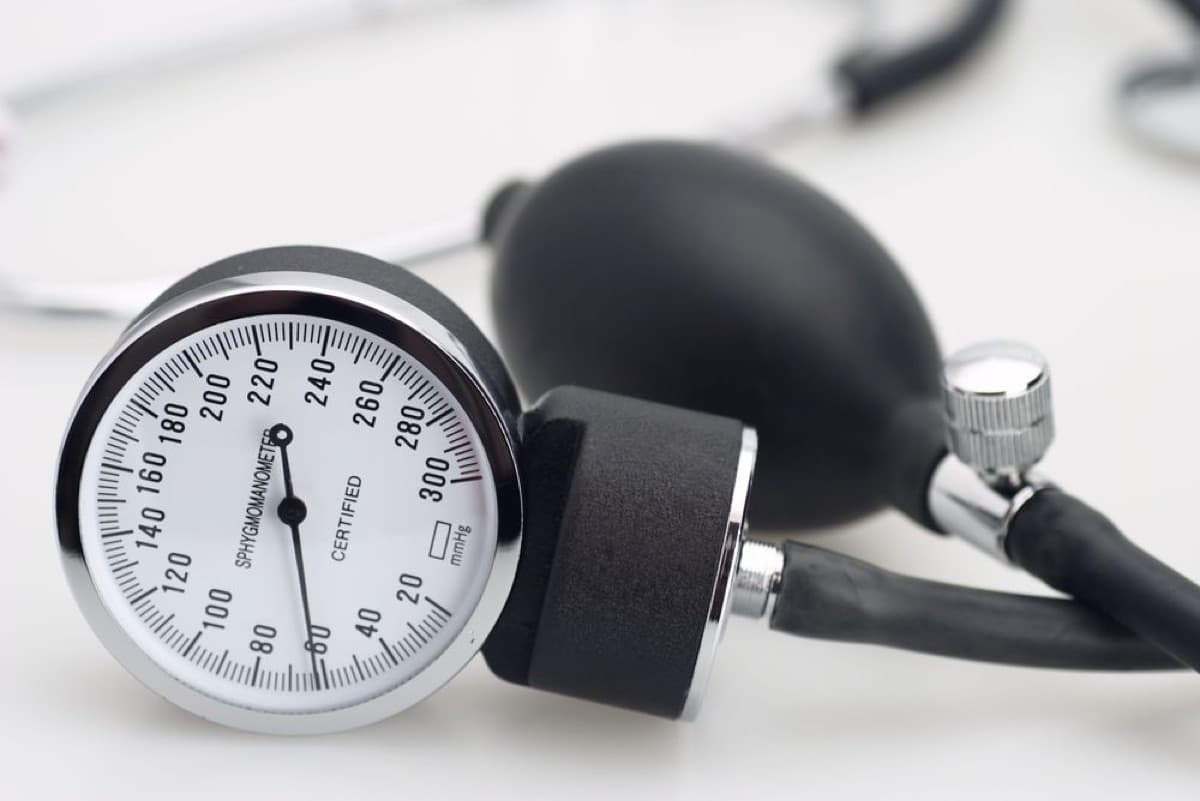
Hypertension Treatment in Tampa
Hypertension, or high blood pressure, affects millions of Americans and is often called the "silent killer" because it typically has no symptoms until serious complications arise. At Premier Internal Medicine, we provide comprehensive hypertension management combining medication therapy, lifestyle modification, and ongoing monitoring to protect your cardiovascular health and prevent heart disease, stroke, and kidney damage.
Understanding Hypertension
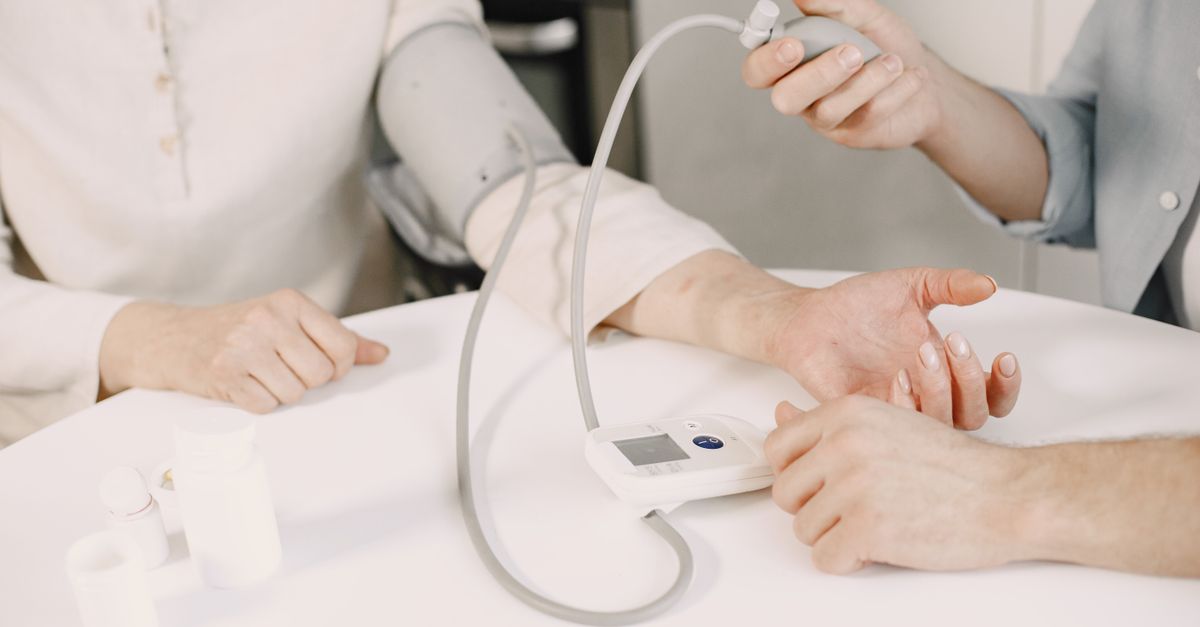
Hypertension is a chronic medical condition characterized by persistently elevated blood pressure in the arteries. Blood pressure is measured in millimeters of mercury (mmHg) and expressed as two numbers: systolic pressure (when the heart beats) over diastolic pressure (when the heart rests between beats). Normal blood pressure is typically below 120/80 mmHg, while hypertension is generally defined as blood pressure consistently at or above 130/80 mmHg. This condition affects approximately 47% of American adults—nearly 116 million people—and contributes to more than 691,000 deaths annually in the United States. The impact extends beyond statistics: uncontrolled hypertension forces your heart to work harder than normal, damaging blood vessels throughout your body and significantly increasing your risk of heart attack, stroke, heart failure, kidney disease, vision loss, sexual dysfunction, and cognitive decline. Many people live with high blood pressure for years without knowing it, which is why it's critically important to have regular blood pressure screenings, especially if you're over age 40 or have risk factors.
The causes of hypertension are multifactorial and vary between individuals. Primary (essential) hypertension, which accounts for 90-95% of cases, develops gradually over many years without an identifiable cause but is strongly influenced by genetics, age, and lifestyle factors. Secondary hypertension results from an underlying condition such as kidney disease, hormonal disorders, obstructive sleep apnea, or certain medications. Major risk factors include advancing age (blood vessels naturally stiffen over time), family history of hypertension, African American ethnicity (higher prevalence and earlier onset), obesity and being overweight, physical inactivity, tobacco use, excessive alcohol consumption, high sodium intake, low potassium intake, chronic stress, and certain chronic conditions like diabetes and high cholesterol. Sleep deprivation, chronic kidney disease, and conditions affecting the endocrine system can also contribute. Understanding your personal risk factors is the first step in developing an effective prevention or treatment strategy tailored to your unique health profile.
Professional medical treatment for hypertension is essential because high blood pressure silently damages your body even when you feel completely fine. Without treatment, hypertension progressively weakens and narrows arteries, making your heart pump harder and less efficiently. This sustained pressure damages the delicate lining of blood vessels, creating sites where cholesterol can accumulate, forming plaques that further narrow arteries and restrict blood flow to vital organs. The heart muscle itself thickens and weakens over time, leading to heart failure. Blood vessels in the brain can rupture or become blocked, causing stroke. Kidney function deteriorates as the blood vessels that filter waste become damaged, potentially leading to kidney failure requiring dialysis. Vision can be permanently lost when retinal blood vessels are damaged. The good news is that hypertension is highly treatable, and with proper management, the risk of these serious complications can be dramatically reduced. At Premier Internal Medicine, we don't just prescribe medication—we partner with you to create a comprehensive, sustainable approach to blood pressure control that fits your lifestyle, addresses your specific risk factors, and protects your long-term health.
Signs & Symptoms of Hypertension
- Frequent Headaches - Persistent headaches, especially in the morning, particularly at the back of the head, may indicate elevated blood pressure.
- Dizziness or Lightheadedness - Unexplained episodes of vertigo or feeling faint can be associated with blood pressure fluctuations.
- Blurred or Double Vision - Vision changes can indicate that high blood pressure is affecting the delicate blood vessels in your eyes.
- Shortness of Breath - Difficulty breathing during normal activities may signal that your heart is working harder due to high blood pressure.
- Chest Discomfort - A feeling of pressure, tightness, or discomfort in the chest can indicate cardiovascular stress from hypertension.
- Nosebleeds - While not always related, frequent or severe nosebleeds can occasionally be associated with very high blood pressure.
- Irregular Heartbeat (Palpitations) - Feeling your heart racing, fluttering, or beating irregularly may be related to cardiovascular strain.
- Fatigue or Confusion - Persistent tiredness and difficulty concentrating can result from reduced blood flow to the brain and other organs.
- Facial Flushing - Redness in the face can occur when blood vessels dilate, though this can also happen with normal blood pressure.
- Blood Spots in Eyes - Subconjunctival hemorrhage (broken blood vessels in the eye) can occasionally be related to elevated blood pressure.
- Difficulty Sleeping - Sleep disturbances, including sleep apnea, are both a cause and consequence of high blood pressure.
- Swelling in Legs or Ankles - Edema in the lower extremities may indicate that your heart isn't pumping efficiently due to prolonged hypertension.
- No Symptoms at All - Most commonly, hypertension causes no noticeable symptoms, which is why regular screening is absolutely critical.
What to Expect
- Comprehensive evaluation including detailed medical history, physical examination, and blood pressure measurements taken properly with calibrated equipment
- Assessment of cardiovascular risk factors and screening for secondary causes of hypertension and existing organ damage
- Personalized treatment strategy including lifestyle modifications (DASH diet, sodium restriction, exercise, weight management, stress reduction, smoking cessation) and evidence-based medications when appropriate
- Regular follow-up visits to monitor blood pressure response, assess medication effectiveness and side effects, and adjust treatment as needed
- Home blood pressure monitoring recommendations to get a complete picture of your control throughout the day
- Long-term partnership focused on maintaining control, preventing complications, and protecting your cardiovascular health
How We Treat Hypertension
Comprehensive Assessment
We begin with a thorough evaluation including detailed medical history, physical examination, and blood pressure measurements taken properly with calibrated equipment. We assess your cardiovascular risk factors, screen for secondary causes of hypertension, and evaluate for any existing organ damage. Laboratory tests including lipid panel, kidney function, blood glucose, and electrolytes help us understand your complete health picture and guide treatment decisions.
Personalized Treatment Plan
Based on your assessment, we develop an individualized treatment strategy that may include lifestyle modifications such as dietary changes (DASH diet, sodium restriction), exercise prescription, weight management, stress reduction, and smoking cessation. When appropriate, we prescribe evidence-based antihypertensive medications carefully selected based on your specific health profile, other conditions, and potential drug interactions. We consider factors like age, ethnicity, comorbidities, and your preferences to optimize both effectiveness and tolerability.
Ongoing Care & Monitoring
Hypertension management is a long-term commitment, and we're with you every step of the way. We schedule regular follow-up visits to monitor your blood pressure response, assess medication effectiveness and side effects, and adjust treatment as needed. We may recommend home blood pressure monitoring to get a more complete picture of your control throughout the day. We also conduct periodic lab work to monitor kidney function and electrolytes, and we continuously reassess your cardiovascular risk to prevent complications before they occur.
Benefits
Physician-Led Care
Dr. Zelenka is an internal medicine physician with experience in cardiovascular disease prevention and hypertension management, staying current with the latest clinical guidelines and treatment advances.
Personalized Approach
We recognize that every patient is unique, tailoring treatment plans to your specific health profile, lifestyle, preferences, and goals rather than applying a one-size-fits-all protocol.
Telehealth Available
For your convenience, many follow-up visits for hypertension management can be conducted via secure telehealth, making it easier to maintain consistent care and medication adjustments without travel.
Comprehensive Care
We treat the whole person, not just blood pressure numbers, addressing related conditions like diabetes, high cholesterol, and obesity in an integrated manner to optimize your overall cardiovascular health.
Your Treatment Journey
First Evaluation (Week 1)
Your initial visit includes a comprehensive assessment with multiple blood pressure readings taken properly after you've been resting, a detailed discussion of your medical history and lifestyle factors, physical examination, and ordering of appropriate laboratory tests. We'll explain what your blood pressure numbers mean, discuss your cardiovascular risk, and begin developing your personalized treatment plan. If lifestyle modifications alone are unlikely to achieve adequate control, we'll discuss medication options and begin therapy. You'll leave with clear instructions, educational materials, and a follow-up plan.
Treatment Begins (Weeks 2-4)
During this phase, you'll begin implementing lifestyle changes and, if prescribed, start medication therapy. We typically schedule a follow-up visit or phone call within 2-4 weeks to assess your response to treatment, check for side effects, and review your home blood pressure readings if you're monitoring at home (which we strongly recommend). Early follow-up is important because it allows us to make timely adjustments to optimize your regimen. Most antihypertensive medications take several days to weeks to reach full effect, so patience is important during this adjustment period.
Progress Review (Months 2-3)
Once your blood pressure begins to stabilize, we'll continue with regular monitoring visits every 2-4 weeks until we achieve consistent control at your target blood pressure (typically less than 130/80 mmHg for most patients, though targets may be individualized based on age and other factors). We'll assess medication tolerance, review adherence, reinforce lifestyle modifications, and make dosage adjustments or add additional medications if needed. Many patients require two or more medications to achieve optimal control, which is completely normal and reflects the complex nature of blood pressure regulation.
Long-term Management (Ongoing)
Once your blood pressure is well-controlled, you'll transition to maintenance care with visits every 3-6 months, or more frequently if needed. Long-term management focuses on maintaining control, preventing complications, monitoring for medication side effects, and conducting periodic laboratory testing to assess kidney function and electrolytes. We'll continue to support your lifestyle modifications and adjust treatment as your health status changes over time. Hypertension is a chronic condition requiring lifelong management, but with proper treatment and your commitment to the plan, you can live a full, healthy life with significantly reduced cardiovascular risk.
Evidence-Based Treatment Approach
Our approach to hypertension treatment is grounded in the latest clinical guidelines from the American College of Cardiology and American Heart Association. We utilize evidence-based antihypertensive medications from several classes, including ACE inhibitors, angiotensin receptor blockers (ARBs), calcium channel blockers, thiazide diuretics, and beta-blockers, selecting agents based on your individual profile. For resistant hypertension (blood pressure that remains elevated despite three medications), we conduct additional evaluation for secondary causes and may add specialized agents like aldosterone antagonists or direct vasodilators. We emphasize the critical importance of medication adherence and work closely with you to address any barriers to compliance, whether they're related to side effects, cost, or complexity of the regimen. Lifestyle modification remains foundational: the DASH (Dietary Approaches to Stop Hypertension) eating plan emphasizes fruits, vegetables, whole grains, and low-fat dairy while limiting sodium, saturated fat, and alcohol. We provide specific guidance on aerobic exercise (at least 150 minutes of moderate-intensity activity weekly), weight reduction if needed (even modest weight loss can significantly lower blood pressure), stress management techniques, and strategies for improving sleep quality. Our goal is not just to lower your numbers, but to reduce your risk of heart attack, stroke, heart failure, and kidney disease while helping you maintain the highest possible quality of life.
When to Seek Help
If you recognize these signs, help is available. Early treatment leads to better outcomes. Even without symptoms, regular blood pressure monitoring is essential for everyone over 40, and younger adults with risk factors should be screened regularly as well.
Common Questions About Hypertension
How long does hypertension treatment take?
Hypertension is a chronic condition that typically requires lifelong management. However, the initial phase of achieving blood pressure control usually takes 2-3 months of careful monitoring and treatment adjustments. Some patients see improvement within a few weeks of starting treatment, while others with more severe or resistant hypertension may need several months to reach their target blood pressure. The key is consistent medication adherence, lifestyle modifications, and regular follow-up. Once controlled, maintenance is usually straightforward with periodic monitoring every 3-6 months.
Is medication always required for high blood pressure?
Not always. For patients with stage 1 hypertension (130-139/80-89 mmHg) and low cardiovascular risk, lifestyle modifications alone may be tried initially for 3-6 months. These include dietary changes (DASH diet, sodium restriction), regular exercise, weight loss if overweight, limiting alcohol, and stress management. However, if blood pressure remains elevated after this trial period, or if you have stage 2 hypertension (140/90 mmHg or higher), existing cardiovascular disease, diabetes, or other risk factors, medication is typically recommended from the start. Studies consistently show that medication significantly reduces the risk of heart attack, stroke, and other complications. The decision is always individualized based on your specific situation.
Does insurance cover hypertension treatment?
Yes, virtually all health insurance plans, including Medicare and Medicaid, cover hypertension diagnosis and management as it's considered essential preventive care and treatment of a chronic disease. Coverage typically includes office visits, blood pressure monitoring, laboratory tests, and medications. Many blood pressure medications are available as inexpensive generics. Preventive services like blood pressure screening are usually covered without cost-sharing under the Affordable Care Act. We accept most major insurance plans and our staff can help verify your specific coverage and benefits. For patients without insurance, we offer reasonable self-pay rates and can help identify affordable medication options.
What if my blood pressure doesn't respond to treatment?
Resistant hypertension—blood pressure that remains above goal despite taking three or more medications including a diuretic—affects about 10-15% of patients with hypertension. If this occurs, we conduct a thorough evaluation to identify possible causes including medication non-adherence, improper blood pressure measurement technique, white coat hypertension (elevated readings only in medical settings), secondary causes (kidney disease, hormonal disorders, sleep apnea), interfering substances (NSAIDs, decongestants, certain supplements), or simply needing medication adjustment. We may add specialized agents, refer for additional testing, or consider evaluation by a hypertension specialist. The vast majority of patients can achieve control with the right combination of medications and lifestyle changes.
Can telehealth visits work for managing my blood pressure?
Yes, telehealth is highly effective for hypertension management, particularly for follow-up visits once you're established as a patient. If you have a home blood pressure monitor (which we strongly recommend), you can share your readings during video visits, allowing us to assess your control and make medication adjustments just as effectively as in-person visits. Telehealth is especially convenient for working patients or those with mobility limitations. Your initial evaluation typically requires an in-person visit for proper blood pressure measurement and physical examination, and periodic in-person visits may be needed for lab work or more comprehensive assessment, but many routine follow-ups can be conducted remotely, making consistent care more accessible.
What are the risks if I don't treat my high blood pressure?
Untreated hypertension significantly increases your risk of serious, potentially life-threatening complications. These include heart attack (myocardial infarction), stroke (both ischemic and hemorrhagic), heart failure (the heart muscle weakens from working too hard), chronic kidney disease and kidney failure, peripheral artery disease, vision loss from retinal damage, sexual dysfunction, and cognitive decline or vascular dementia. High blood pressure damages blood vessels throughout your body, creating inflammation and atherosclerosis (hardening of the arteries) that restricts blood flow to vital organs. The higher your blood pressure and the longer it remains uncontrolled, the greater your risk. The good news is that treating hypertension dramatically reduces these risks—studies show that every 10 mmHg reduction in systolic blood pressure reduces your risk of major cardiovascular events by about 20%. Treatment truly saves lives.
Related Conditions
Related
Type 2 Diabetes
Comprehensive care for Type 1 and Type 2 diabetes, including blood sugar monitoring, medication management, and prevention of complications.
Related
High Cholesterol & Lipid Disorders
Evidence-based treatment to lower LDL cholesterol, raise HDL, and reduce cardiovascular risk through lifestyle changes and medication when needed.
Related
Obesity & Weight Management Issues
Medically supervised weight loss programs addressing obesity and metabolic syndrome to improve overall health and reduce cardiovascular risk.
Get Help for Hypertension Today
You don't have to face hypertension alone. Our team is ready to help you achieve healthy blood pressure and protect your heart.
Schedule an Appointment