

Cognitive Decline & Brain Fog Treatment in Tampa
Brain fog and cognitive decline can profoundly impact your work, relationships, and quality of life, leaving you feeling frustrated and overwhelmed. At Premier Internal Medicine, we provide comprehensive diagnostic evaluation and evidence-based treatment to restore mental clarity, improve memory function, and help you reclaim your cognitive vitality.
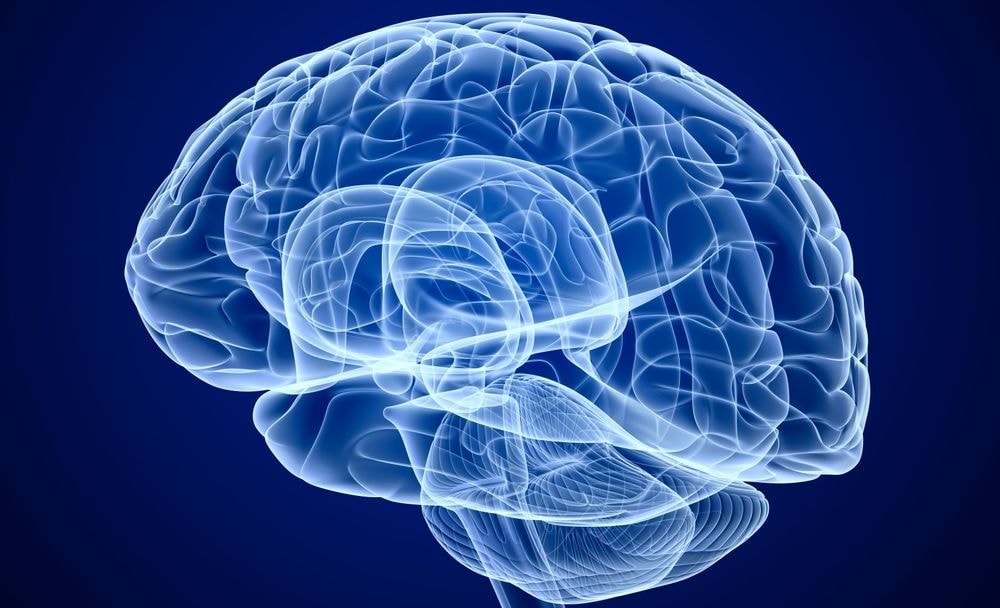
Understanding Cognitive Decline & Brain Fog
Cognitive decline and brain fog represent a spectrum of neurological symptoms characterized by impaired mental clarity, difficulty concentrating, memory problems, and reduced cognitive processing speed. While "brain fog" is not a clinical diagnosis, it describes a common set of symptoms that can significantly interfere with daily functioning. These symptoms can range from mild forgetfulness and occasional mental sluggishness to more concerning patterns of cognitive impairment that impact work performance, decision-making, and personal relationships. According to recent research, up to 600 million people worldwide experience some form of cognitive symptoms, with increasing prevalence among individuals over 40, those with chronic medical conditions, and people experiencing high levels of stress or sleep deprivation.
The causes of cognitive decline and brain fog are multifactorial and complex. Common contributing factors include hormonal imbalances (particularly thyroid dysfunction and menopause-related changes), nutritional deficiencies (especially B vitamins, vitamin D, and omega-3 fatty acids), chronic inflammation, autoimmune conditions, sleep disorders, medication side effects, chronic stress, anxiety, depression, metabolic syndrome, and early neurodegenerative processes. Environmental factors such as exposure to toxins, mold, or heavy metals can also play a role. In some cases, brain fog may be an early warning sign of conditions like Alzheimer's disease, vascular dementia, or other neurological disorders, though more commonly it results from reversible causes such as lifestyle factors, untreated medical conditions, or hormonal changes. Post-viral syndromes, including long COVID, have also emerged as significant contributors to persistent cognitive symptoms in recent years.
Professional medical evaluation is essential because cognitive symptoms can have serious underlying causes that require specific treatment, and early intervention can prevent progression to more severe cognitive impairment. A comprehensive diagnostic approach that includes detailed history-taking, cognitive assessment, laboratory testing, and when appropriate, neuroimaging, can identify treatable causes and guide personalized treatment strategies. Many patients experience significant improvement when underlying conditions are addressed through targeted interventions such as hormone optimization, nutritional supplementation, lifestyle modification, treatment of sleep disorders, management of cardiovascular risk factors, and medications when appropriate. Without proper evaluation and treatment, cognitive symptoms can worsen over time, lead to functional decline, and significantly impact quality of life, work productivity, and independence. At Premier Internal Medicine, we take a systematic, evidence-based approach to diagnosing the root causes of your cognitive symptoms and developing comprehensive treatment plans tailored to your unique situation.
Signs & Symptoms of Cognitive Decline & Brain Fog
- Memory Problems: Difficulty remembering names, appointments, recent conversations, or where you placed items.
- Impaired Concentration: Inability to focus on tasks, frequent distractibility, or difficulty sustaining attention during reading or conversations.
- Mental Fatigue: Feeling mentally exhausted after tasks that previously required little effort, or needing frequent breaks during cognitive work.
- Slowed Processing Speed: Taking longer to understand information, make decisions, or respond to questions compared to your baseline.
- Word-Finding Difficulties: Struggling to retrieve words during conversation, frequently using vague terms like "thing" or "whatcha-ma-call-it."
- Confusion or Disorientation: Feeling mentally "cloudy," getting confused about time or place, or experiencing moments of disorientation.
- Impaired Executive Function: Difficulty with planning, organizing, multitasking, or following complex instructions that were previously manageable.
- Headaches or Pressure: Frequent headaches, sensation of pressure in the head, or feeling of heaviness that accompanies cognitive symptoms.
- Sleep Disturbances: Insomnia, unrefreshing sleep, difficulty falling or staying asleep, or sleeping excessively without feeling rested.
- Physical Fatigue: Persistent tiredness, low energy levels, or feeling physically drained even with adequate rest.
- Mood Changes: Increased irritability, anxiety, depression, or emotional volatility that coincides with cognitive difficulties.
- Decreased Motivation: Lack of drive to engage in previously enjoyed activities, difficulty initiating tasks, or feeling apathetic.
- Sensitivity to Stimuli: Increased sensitivity to light, sound, or sensory input that makes concentration more difficult.
- Work Performance Decline: Noticeable decrease in productivity, increased errors, difficulty meeting deadlines, or struggles with job responsibilities.
What to Expect
- Comprehensive diagnostic evaluation identifies treatable underlying causes of cognitive symptoms
- Personalized treatment plans target root causes including hormonal imbalances, nutritional deficiencies, and inflammation
- Evidence-based interventions include nutritional supplementation, hormone optimization, and lifestyle modifications
- Most patients experience noticeable improvement in mental clarity and memory within 6-12 weeks of treatment
- Convenient telehealth services available for follow-up care and ongoing symptom management
- Clinical focus in diagnosing complex causes of brain fog and cognitive decline
How We Treat Cognitive Decline & Brain Fog
Comprehensive Assessment
We begin with a thorough medical history, cognitive screening tests, and detailed symptom evaluation to understand your unique presentation. Comprehensive laboratory testing evaluates thyroid function, vitamin levels, inflammatory markers, metabolic health, and hormonal status to identify underlying causes. When appropriate, we coordinate neuroimaging or specialist referrals to rule out structural or neurological conditions requiring specialized care.
Personalized Treatment Plan
Based on your diagnostic results, we develop an individualized treatment strategy targeting identified root causes. Your plan may include nutritional supplementation, hormone optimization, medication management, sleep hygiene interventions, stress reduction techniques, and dietary modifications. We provide clear explanations of treatment rationale and set realistic expectations for symptom improvement timelines based on your specific condition.
Ongoing Care & Monitoring
Regular follow-up appointments allow us to track your progress, adjust treatments as needed, and address emerging concerns. We use validated cognitive assessment tools to objectively measure improvement and modify interventions based on your response. Our team remains accessible between visits to answer questions and provide support throughout your cognitive recovery journey, ensuring you never feel alone in managing your symptoms.
Benefits
Physician-Led Care
Dr. Zelenka is a internal medicine physician with extensive experience diagnosing and treating the complex causes of cognitive symptoms. Our medical training and continued education in functional medicine, endocrinology, and integrative health allow us to identify subtle underlying conditions that other providers may overlook.
Personalized, Root-Cause Approach
We reject one-size-fits-all treatment protocols. Instead, we invest time in understanding your unique medical history, symptoms, lifestyle factors, and health goals to identify the specific causes of your cognitive symptoms. Your treatment plan is tailored to your individual needs, preferences, and values, ensuring the most effective and sustainable outcomes.
Convenient Telehealth Services
We understand that cognitive symptoms can make traveling to appointments challenging. Our secure telehealth platform allows you to receive expert medical care from the comfort of your home, eliminating travel stress and making consistent care more accessible. Virtual visits are ideal for follow-up appointments, medication management, and ongoing support throughout your treatment.
Extensive Experience with Cognitive Conditions
Cognitive decline and brain fog are evaluated for their underlying causes including thyroid disorders, menopause, chronic fatigue syndrome, post-viral syndromes, autoimmune conditions, and metabolic imbalances. We stay current with the latest research in cognitive health and incorporate emerging treatment strategies to provide you with the most advanced care available.
Your Treatment Journey
First Evaluation (Week 1)
Your initial visit includes a comprehensive medical history review, cognitive symptom assessment, physical examination, and discussion of lifestyle factors that may contribute to brain fog. We order comprehensive laboratory testing including thyroid function, vitamin levels, inflammatory markers, and hormone panels. Most patients leave the first appointment with preliminary recommendations and a clear diagnostic plan. Lab results typically return within 3-5 business days.
Treatment Begins (Weeks 2-4)
Once we receive your laboratory results, we schedule a follow-up visit to review findings and initiate treatment. Depending on your diagnosis, you may start nutritional supplements, hormone replacement, medications, or lifestyle interventions. We provide detailed instructions and education about your treatment plan. Some patients notice subtle improvements within the first few weeks, particularly if deficiencies are corrected, though significant cognitive improvement typically requires 6-12 weeks.
Progress Review (Months 2-3)
We schedule regular follow-up appointments every 4-8 weeks during the initial treatment phase to monitor your response and adjust interventions as needed. Most patients experience noticeable improvement in mental clarity, concentration, and memory by month two. We may repeat laboratory testing to ensure treatment targets are being met. If progress is slower than expected, we investigate additional contributing factors and modify the treatment approach accordingly.
Long-Term Management
Once your cognitive symptoms are well-controlled, we transition to maintenance care with visits every 3-6 months to ensure sustained improvement. Many patients achieve significant recovery of cognitive function, though the timeline varies based on underlying causes and individual factors. Some conditions require ongoing treatment, while others resolve completely with appropriate intervention. We provide strategies for preventing recurrence and maintaining optimal brain health long-term through nutrition, exercise, stress management, and sleep optimization.
Closing Note on Symptoms
If you recognize these signs in yourself or a loved one, help is available. Early treatment leads to better outcomes and can prevent progression to more serious cognitive impairment. Contact us today for a comprehensive evaluation.
Evidence-Based Treatment Modalities
Our treatment approach incorporates multiple evidence-based interventions tailored to your specific diagnosis. For thyroid-related cognitive symptoms, we optimize thyroid hormone replacement therapy and monitor free T3 and T4 levels to ensure optimal dosing. Vitamin B12 deficiency receives high-dose supplementation or intramuscular injections, while vitamin D insufficiency is corrected with appropriate supplementation protocols. Patients with hormonal imbalances may benefit from bioidentical hormone replacement therapy, particularly for menopause-related cognitive changes. We address sleep disorders through sleep hygiene education, treatment of sleep apnea when present, and judicious use of sleep aids when appropriate. For inflammation-related brain fog, we may recommend omega-3 supplementation, anti-inflammatory dietary modifications, and treatment of underlying autoimmune conditions. Cognitive symptoms associated with anxiety or depression receive appropriate psychopharmacological management with medications that minimize cognitive side effects, often combined with referral for cognitive behavioral therapy. In cases of metabolic syndrome or insulin resistance, we implement lifestyle interventions and medications to improve metabolic health, which has direct benefits for brain function. For medication-induced cognitive impairment, we conduct careful medication review and work with prescribing physicians to find alternatives with fewer cognitive effects. Our comprehensive approach addresses not just symptoms but underlying physiological imbalances to promote lasting cognitive recovery.
Important Note on Recovery Timelines
Recovery timelines vary significantly based on the underlying cause of cognitive symptoms. Nutritional deficiencies may improve within weeks, hormonal imbalances typically require 2-3 months for noticeable change, and post-viral cognitive symptoms can take 6-12 months for substantial improvement. We set realistic expectations at each stage and maintain open communication about your progress.
Common Questions About Cognitive Decline & Brain Fog
How long does treatment for brain fog typically take?
Treatment duration varies significantly based on the underlying cause of your cognitive symptoms. Patients with nutritional deficiencies such as B12 or vitamin D often notice improvement within 4-6 weeks of supplementation. Thyroid-related brain fog typically improves over 2-3 months once optimal hormone levels are achieved. Hormone-related cognitive symptoms from menopause may take 3-6 months to fully respond to hormone replacement therapy. Post-viral cognitive symptoms, including long COVID, often require 6-12 months of comprehensive treatment for substantial improvement. Most patients begin noticing some degree of improvement within the first 6-8 weeks of treatment, with continued progress over subsequent months. We provide regular monitoring and adjust treatment strategies if progress plateaus or is slower than expected.
Will I need medication for brain fog and cognitive decline?
Not all patients require prescription medications for brain fog. Many cases respond well to nutritional supplementation, lifestyle modifications, and treatment of underlying medical conditions. However, certain situations do warrant medication: thyroid dysfunction requires thyroid hormone replacement; significant anxiety or depression contributing to cognitive symptoms may benefit from antidepressant or anti-anxiety medications; severe sleep disorders may require sleep aids; and hormone-related cognitive symptoms may respond to hormone replacement therapy. When medications are indicated, we carefully select options with favorable cognitive profiles and minimal side effects. We always start with the least invasive interventions and escalate treatment only when necessary, prioritizing your safety and quality of life.
Does insurance cover treatment for cognitive decline and brain fog?
Coverage depends on your specific plan and on whether your visit is billed as insurance-based primary care or arranged as a self-pay consultation. Please contact the office to confirm what applies to your situation before scheduling. Whether a visit is billed to insurance depends on how you are seen: established insurance-based primary care patients are billed to their plan, while new patients are seen through the private-pay consultation option. Contact the office to confirm which applies to you. However, some advanced or specialized testing, certain supplements, and bioidentical hormone preparations may not be covered by all insurance plans. We provide detailed receipts and documentation for insurance submission and work with you to find cost-effective treatment approaches. Our staff can verify your insurance benefits before your first appointment to help you understand your expected out-of-pocket costs.
What if my treatment isn't working or I'm not improving?
If you're not experiencing improvement within the expected timeframe, we take several steps to reassess your situation. First, we review medication or supplement adherence and ensure treatments are being taken correctly. We may order additional testing to investigate other potential causes that weren't initially apparent. Sometimes, dosage adjustments are needed, or we may need to try alternative medications or supplements. We also evaluate for contributing factors that may have been missed, such as sleep apnea, chronic infections, environmental toxins, or additional hormonal imbalances. In some cases, we coordinate referrals to specialists such as neurologists, endocrinologists, or functional medicine practitioners for additional evaluation. Treatment for cognitive symptoms sometimes requires patience and persistence, and we remain committed to finding solutions that work for you.
Can telehealth visits effectively treat cognitive decline and brain fog?
Yes, telehealth is highly effective for evaluating and treating cognitive symptoms in most cases. Virtual visits allow us to conduct comprehensive symptom assessments, review laboratory results, discuss treatment options, monitor progress, and adjust medications or supplements. Many aspects of cognitive evaluation can be performed remotely, including detailed history-taking and cognitive screening questions. Laboratory testing can be ordered through local labs near your home, with results sent directly to our office for review. Follow-up appointments, medication management, and ongoing support are particularly well-suited to telehealth. However, your initial evaluation may benefit from an in-person visit if a physical examination is needed, and we may recommend in-person visits if neurological examination or more detailed cognitive testing becomes necessary. We offer flexible scheduling with both in-person and virtual options to meet your needs and preferences.
Is brain fog a sign of early dementia or Alzheimer's disease?
While brain fog can understandably cause concern about dementia, most cases are not related to Alzheimer's disease or other neurodegenerative conditions, especially in younger adults. Brain fog is typically characterized by reversible cognitive symptoms related to treatable conditions like nutritional deficiencies, hormonal imbalances, sleep disorders, stress, or inflammation. Dementia, in contrast, involves progressive, irreversible decline in memory and other cognitive domains that significantly interferes with daily functioning. Key differences include: brain fog tends to fluctuate and may improve with rest, while dementia symptoms are persistent and progressive; brain fog often responds to treatment of underlying causes, while dementia has no cure; brain fog rarely affects long-term memory or personality, which are commonly affected in dementia. That said, cognitive symptoms always warrant proper evaluation to rule out serious conditions. We perform careful cognitive assessment and, when appropriate, coordinate neurological evaluation or brain imaging to provide definitive answers and peace of mind.
Get Help for Cognitive Decline & Brain Fog Today
You don't have to face cognitive decline and brain fog alone. Our team is ready to help you identify the root causes and develop an effective treatment plan.
Schedule an Appointment